A new AI experiment including one of my ‘traditionally’ produced digital photomontage surreal artworks
This new gallery is a an experimental collection of surreal and fantastical AI generated images with a very narrow theme and concept, exploring ideas of variety, variation and iteration of AI generations. Some of the images were created using the artwork below as a specific reference and there were only two main prompts used to create all the images. The experiment here was to see if you really can create an almost limitless variation using just a few simple inputs.
Below is the reference image I originally created (a number of years ago now) in Photoshop using the then ‘traditional’ methods of photomontage, manual editing and image manipulation to achieve the results:
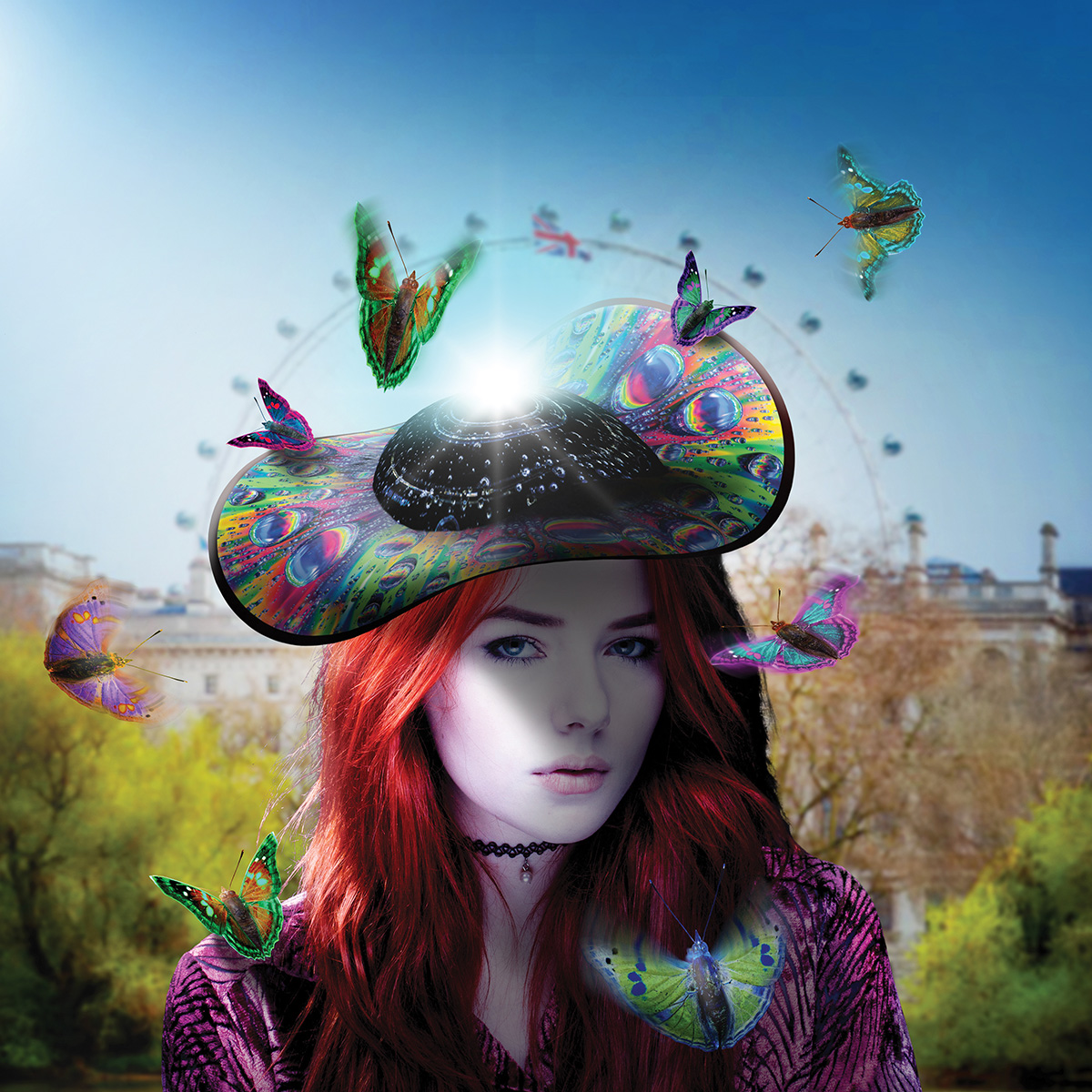
When I created the original one image above, it took quite a while relatively speaking – a collection of four photographs were supplied for a competition and you had to try and make a new single image using Photoshop to manipulate them, cut objects out, transform them and stitch them together. Now, I can take that image and make 100s of iterations really quickly, or just prompt for a new range based on a description of the original image I created. I can also describe the image I want by creating a new prompt from the image I visualise in my mind’s eye, which will output a similar result directly (though often it does still take a a few iterations and changes to the prompt to get it near enough right).
I wanted to play around and see how my original image could be adapted or changed using AI and I used only two different prompts. For each image the various other settings and possible options were altered each time to create a new iteration and style of the surreal artwork. The possibilities are almost endless, so this gallery represents just one moment in time – one could almost go on endlessely generating new similar and sometimes very different outputs only limited by whichever AI model you are using.
For this experiment I was looking at the iterations, styles and variety you can create, but within certain overall limits and subject matter – in this case only a lady with a butterfly hat.
Of course, some may see these virtually endless possibilities as a negative thing and maybe even just simply wasting time. Where does this end in terms of ethics and the question of: is AI ‘art’ really art? I don’t think anyone knows just yet – but many are perhaps now beginning to form some sort of opinion about it all – especially those that use AI in their workflow already. Although each image is technically unique, does this raise challenges about the de-valuing of art overall? Well, probably not, in terms of real-life physical paintings, illustrations and graphics. Digital art cannot cross the line into a unique original physical art piece, because it starts as pixels and can only be replicated as pixels. A unique physical artwork in the real world doesn’t start as pixels (data), and it can be scanned to become pixels and then be replicated – but the unique original physical painting remains unique.
Aside from the obvious questions, I think opinions and experiences of each user will also serve to guide that individual on a journey over time in how and when they use the technology (or not). However, as AI continues to evolve at breakneck speed, at this time (2025), the goalposts are going to keep moving and the user needs to continue to be adaptive and responsive to the changes.
At the moment AI is certainly not perfect – there is a long way to go. It makes mistakes and you can’t always get what you want from it – then there is the ethical side and what the AI is trained on. We’ll have to wait and see which direction this all goes.
View the Butterfly Lady AI Collection
View all the AI art galleries.